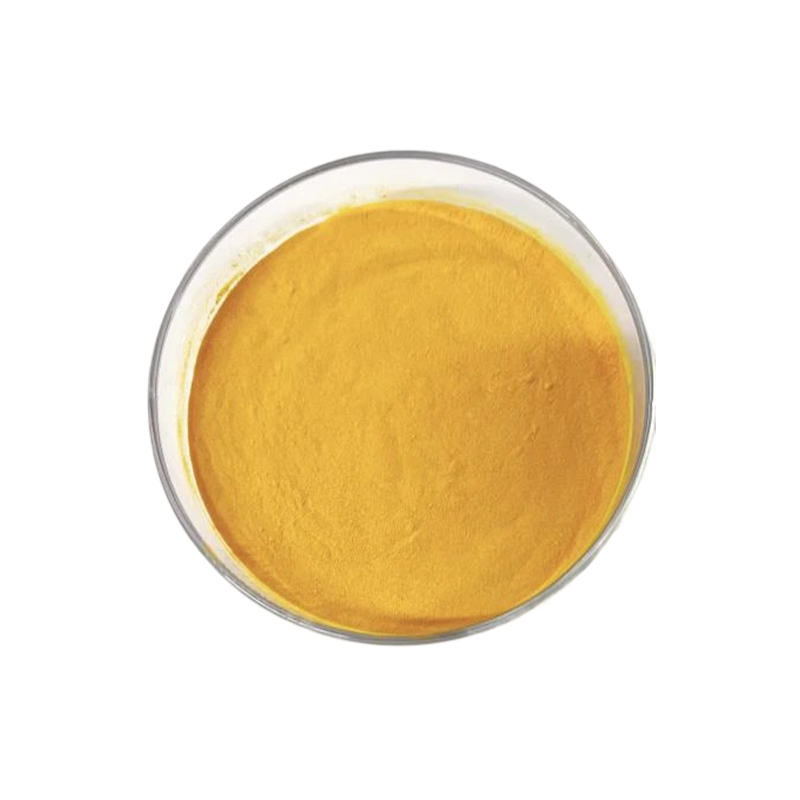
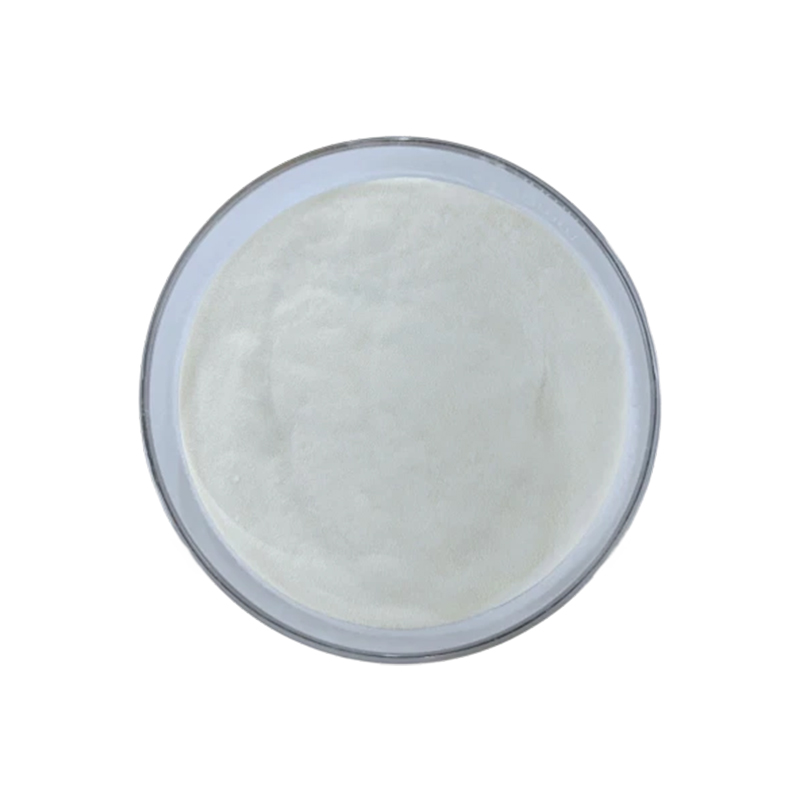
In the treatment of coronary heart disease, the antioxidant effect of reduced coenzyme Q10 is key to its therapeutic efficacy.
In the intricate and complex biological factory of the human body, the normal functioning of every cell depends on a continuous supply of energy.
Reduced coenzyme Q10, as the active form of coenzyme Q10, is in high demand in the pharmaceutical, health product, and cosmetic fields due to its excellent antioxidant properties and bioavailability.
In the microscopic world of life, each cell is a sophisticated factory, operating tirelessly day and night to maintain the body's vitality.
The stratum corneum of the skin is a key barrier affecting absorption rate. It is composed of multiple layers of keratinocytes and lipid matrix, forming a hydrophobic structure.
The performance of oxidized coenzyme Q10 in improving mitochondrial function is essentially the result of the synergistic effect of its dual properties as an energy carrier and antioxidant.